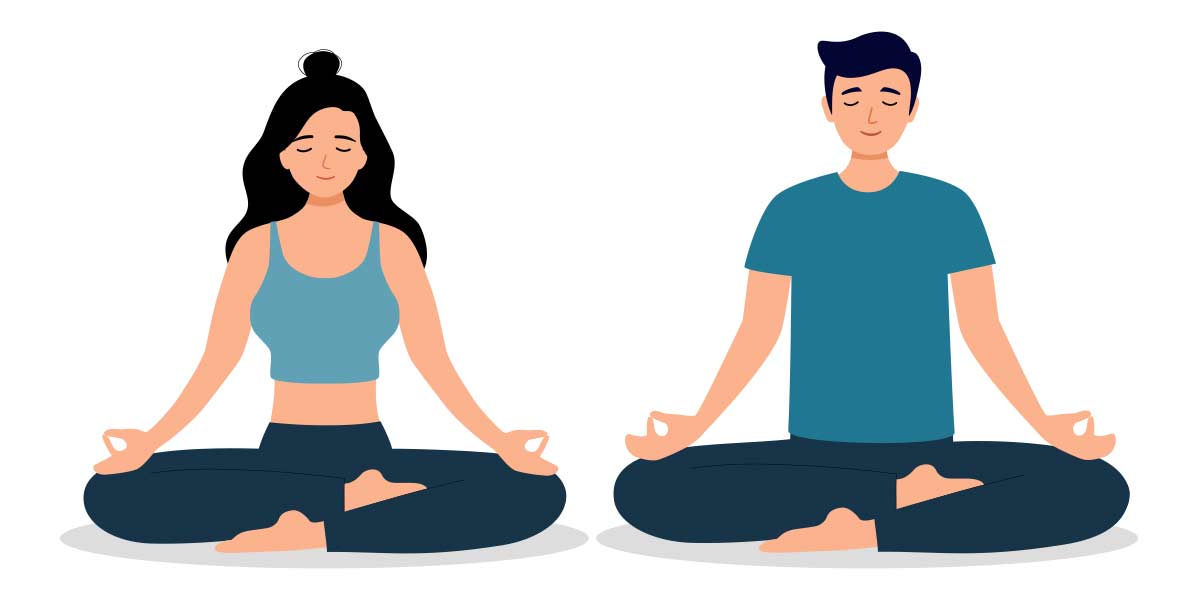
Meditation is simpler than it looks and harder than it sounds. You sit, you pay attention to something that’s already happening, usually the breath, and when your mind drifts off, which it will, you bring it back. That’s the whole practice. There’s no special state to reach and nothing to get right on the first try.
Getting Into Position
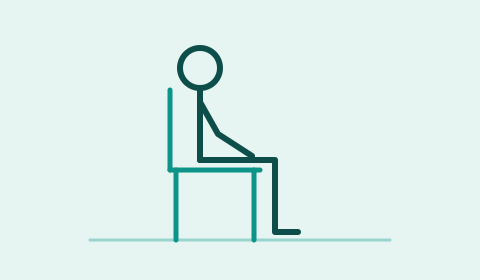
Sit on a plain chair or a cushion on the floor, whichever is easier on your knees and back. Let your spine be upright but not rigid, like a stack of coins rather than a soldier at attention. Hands rest wherever is comfortable, usually on your knees or in your lap.
Close your eyes, or if that feels too closed off, soften your gaze downward a foot or two in front of you. There’s no perfect posture to find here. You’re aiming for steady and awake, not stiff.
Finding the Breath

Notice where you feel the breath most clearly. For most people that’s the nostrils, the chest, or the belly. Pick whichever is clearest for you and rest your attention there.
Don’t try to control it, slow it down, or make it deeper. Just let it happen and watch it happening. The breath is already doing its job. Your only job is to notice it.
When Your Mind Wanders (It Will)
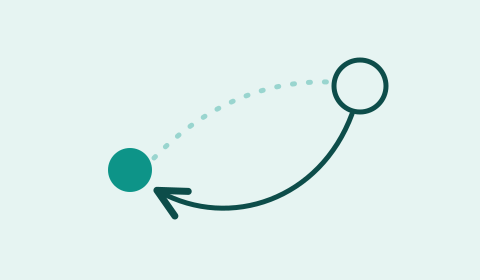
This is the part that surprises people. Your mind will wander, probably within the first minute, and it’ll keep wandering for as long as you keep sitting. That’s not a sign you’re bad at this. It’s what minds do.
The moment you notice you’ve drifted off into a thought, a plan, a memory, is itself the practice working. Not the drifting, the noticing. When it happens, just come back to the breath, without scolding yourself for having left. You’ll do this dozens of times in a single session.
How Long to Sit
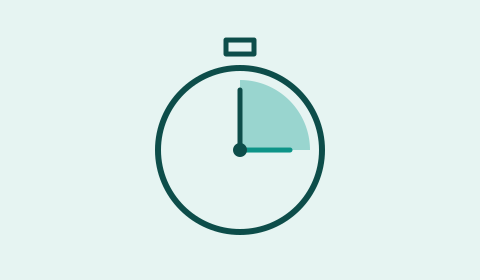
Start with five minutes. That’s genuinely enough to begin with, and it’s a length you can actually keep up every day, which matters more than how long any single session runs.
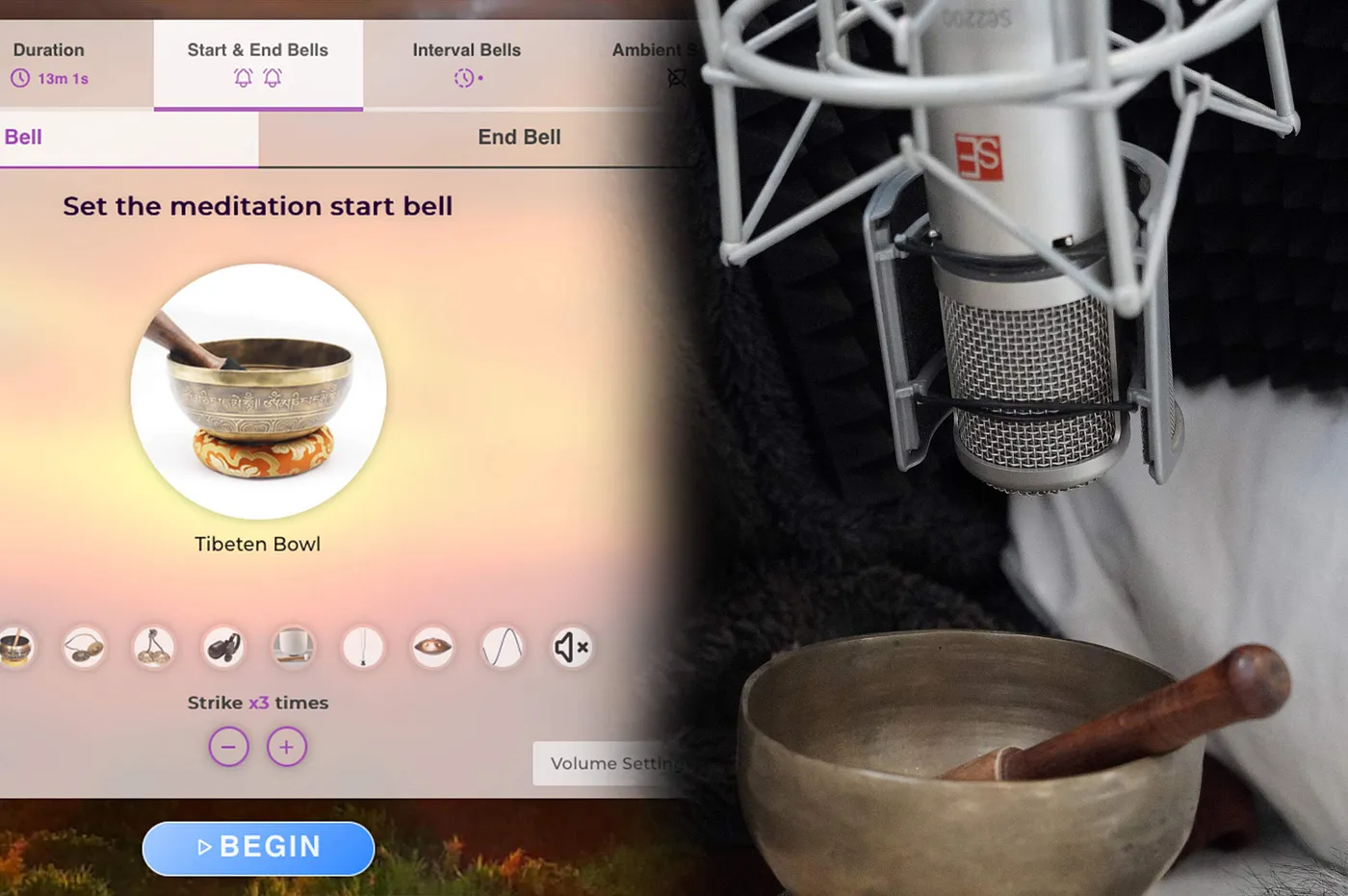
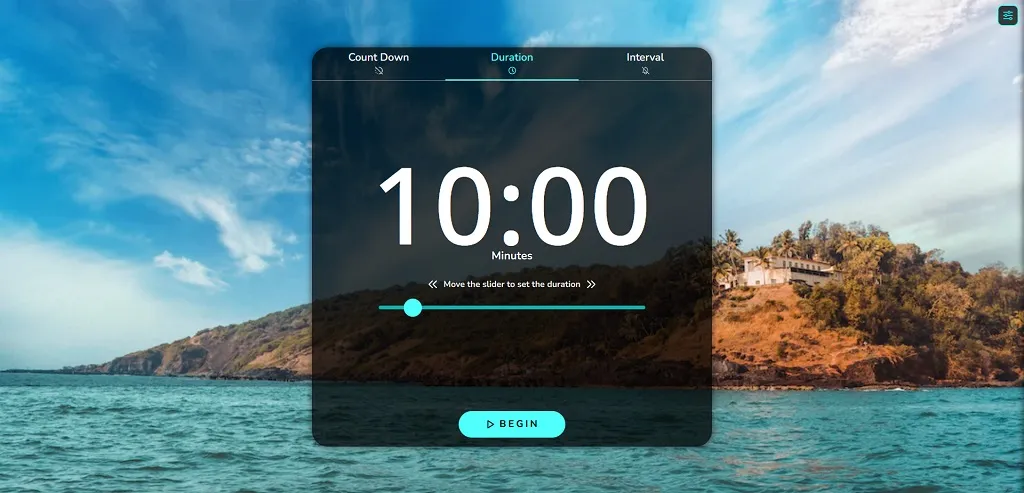
Five minutes daily will take you further than forty five minutes twice a week. Consistency is what builds the habit, not endurance. A simple timer takes the clock watching out of it entirely. Set it, close your eyes, and let it tell you when you’re done instead of checking every thirty seconds. The 5-minute timer is a good place to start, and how long should you meditate covers when to go longer.
Common Mistakes Beginners Make
| What you’re thinking | What’s actually true |
|---|---|
| I don’t have time | Three conscious breaths count. That’s thirty seconds. |
| I keep falling asleep | Normal, especially lying down. Try sitting upright with eyes slightly open. |
| I’m doing it wrong | You can’t do it wrong. Noticing you’ve drifted off is the skill, not a sign of failure. |
| I don’t feel calmer | Meditation isn’t sedation. Sometimes things feel more intense at first, not less. |
| I got emotional and had to stop | That’s the practice working, not it breaking. Stay with it gently if you can. |
| I keep forgetting to do it | Attach it to something you already do daily, like making coffee or brushing your teeth. |
Your First Session: A Simple Walkthrough
- Sit comfortably, chair, cushion or floor. Spine upright, not rigid.
- Close your eyes, or soften your gaze downward.
- Find the breath. Notice where you feel it most clearly, nostrils, chest, or belly.
- Rest your attention there. Don’t control the breath, just watch it.
- When your mind wanders, and it will, gently bring it back.
- Keep going for five minutes. When the timer goes, open your eyes and you’re done.
What Comes Next
Once five minutes of breath awareness feels steady, there’s more to explore, a body scan for working with tension or sleep, loving kindness practice for when you’re being hard on yourself, mindful walking if sitting still isn’t for you. None of it is more advanced than what you just did.
If you’re not sure where to start or what meditation actually is beyond this one exercise, our guide to meditation for beginners covers the basics, the common myths, and what to expect in your first few weeks.
When you’re ready to build the habit, our free meditation timer is a clean bell and a clock. Set it, sit, and it tells you when you’re done.